The Ultimate Guide to Loafer Shoes for Men

You know the feeling: you want a shoe that works with a suit on Monday and jeans on Saturday, looks polished without being stiff, and slips on without the ritual of tying laces. Loafer shoes seem like the obvious answer, but then you open a browser tab and suddenly you’re wading through penny loafers, horsebit loafers, driving shoes, tassel styles, suede versus leather, and four different opinions on whether heel slip is a fit problem or just break-in. This article cuts through all of that.
By the time you finish reading, you’ll know exactly which loafer style fits your lifestyle, what material holds up over time and why, how a properly fitting pair should feel on your foot, and where to find genuine quality at a price that doesn’t demand a second mortgage. A closer look at Brandleap’s leather loafer lineup is what prompted this guide, more on that in the final section. First, some history that’s worth knowing.
What turned a simple slip-on into a menswear staple
From Norwegian cabins to American campuses
The loafer’s lineage traces back to a Norwegian shoemaker named Nils Tveranger, who in the early 1900s blended Native American moccasin construction with the practical slip-on “Aurland shoe” worn by Norwegian farmers and fishermen. Esquire magazine picked up the story, featured the shoes on Norwegian farmers, and export interest followed quickly. By the 1930s, G.H. Bass & Co. had introduced “Weejuns” (a play on “Norwegians”) to the American market, complete with a saddle strap and diamond cutout that students famously used to carry pennies. The name “penny loafer” stuck, and Ivy League campuses ran with it.
The reason this silhouette survived nearly a century of changing trends is straightforward: it solved a real problem. A shoe that looks deliberate and polished but slips on in seconds is genuinely useful, whether you’re rushing between meetings or navigating airport security. That utility is why loafer shoes moved from Norwegian fishing villages to Wall Street boardrooms without losing relevance at either end.
What separates a loafer from every other dress shoe
At its core, a loafer is defined by three construction details: a laceless slip-on upper, a moccasin-style stitched vamp across the front, and a low-cut profile with a flat or low heel. Compare that to an oxford, which uses a closed lacing system and reads more formally, or a derby, which opens the lacing quarters for a slightly more relaxed look but still requires tying. The loafer removes the lace entirely, which changes both the aesthetic and the practicality. That distinction matters when you’re building a shoe wardrobe, because it tells you exactly where the loafer sits: above sneakers, below the most formal dress shoes, and deeply useful in the wide middle ground of modern dressing.
Loafer shoes: styles and how to choose
Penny loafers: the original and most versatile
The penny loafer is built around a distinctive saddle strap with a diamond-shaped cutout across the vamp, a rounded moc toe, and beefroll stitching along the edges. It’s the best starting point for any man new to loafer shoes because it pairs with almost everything: chinos, tailored trousers, dark jeans, and even lightweight suits in casual business environments. A smooth leather penny loafer in brown or black handles smart-casual office settings without effort, while a suede version in the same shape reads relaxed enough for a weekend brunch. The penny loafer’s neutral detailing is precisely what enables that range, there’s no decorative hardware or embellishment to clash with what you’re wearing.
If you own one pair of loafers, make them penny loafers in full-grain leather. No other style offers the same range without demanding that you already have a polished wardrobe to anchor them. For a detailed rundown of loafer types and construction, see this guide to loafers.
Tassel and horsebit loafers: when you want more character
Tassel loafers feature a wholecut construction with a rounded toe and leather cord tassels that outline the vamp. Often associated with traditional tailoring and sartorially-minded wearers, they sit a notch above penny loafers on the formality scale and reward a wearer who already has foundational pieces to build around. Pair them with dress trousers and a tucked-in shirt for creative or business-casual offices and they look intentional rather than overdressed.
Horsebit loafers take the penny base and replace the saddle cutout with a metal snaffle bit strap across the vamp. Originating with Gucci’s equestrian-inspired designs, the horsebit style is more dress-forward and works particularly well in black leather for business and formal contexts, making it the stronger choice over penny loafers when pairing with a suit. Both tassel and horsebit styles reward a confident wearer, but neither is the right first buy for someone still building their shoe collection. Get the penny loafer sorted first.
Driving loafers and moccasins: the casual end of the spectrum
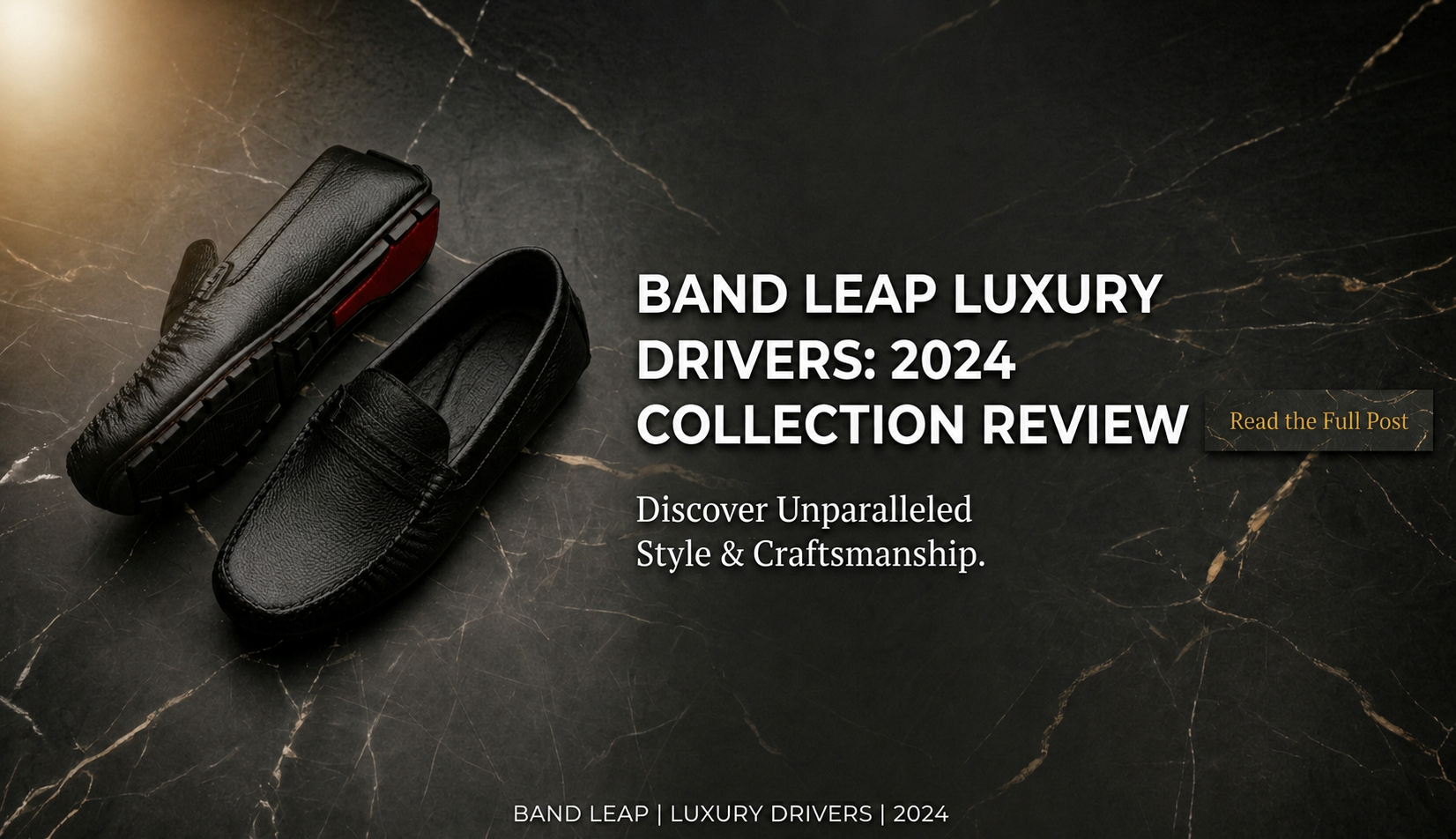
Driving shoes are defined by their pebble-grip rubber soles that extend up the heel, originally designed for literal comfort at the wheel. They’re low-profile, often come in bright colors, and belong firmly in weekend and casual contexts. Moccasins take the minimalist construction further: soft, unlined, one-piece upper with minimal seaming that blurs the indoor-outdoor line. Both styles are the least formal options in the loafer family.
If your life involves a professional environment, driving loafers and moccasins should not be your only pair. They’re excellent additions to a rotation once you have a polished leather penny or tassel loafer as your foundation, but they can’t carry the weight of a business or smart-casual wardrobe on their own.
Leather, suede, or synthetic: what your loafers are actually made of matters
Why genuine leather earns its price over time
Full-grain calf leather does something no other material replicates: it molds to your foot over the first few weeks of wear, creating a fit that feels almost custom over time. It breathes well, handles moisture better than synthetic options, and recovers from scuffs and surface damage with basic conditioning. Mid-range leather loafers typically cost between 2500 and 10,000 BDT Tk, which sounds steep until you calculate cost-per-wear across five to seven years of regular use, assuming basic care and resoling when needed. That math changes the conversation entirely.
Full-grain leather also recovers in ways suede and synthetic simply cannot. A scuff on leather takes a brush and some conditioner. The same damage on suede can be permanent, and on synthetic it usually signals the beginning of the end for that pair. If you wear loafer shoes more than twice a week, the cost-per-wear advantage of leather over cheaper alternatives becomes significant within the first year of ownership.
When suede or synthetic makes sense (and when it doesn’t)
Suede offers immediate softness and a relaxed, textured aesthetic that leather takes weeks to match. It’s more breathable and comfortable from day one, which makes it genuinely appealing for casual or warm-weather wear. The trade-off is real though: suede is weather-sensitive, harder to restore once damaged, and carries higher ongoing maintenance costs from protective sprays and brushes. Budget around 1450 to 4500 for a decent suede pair, and factor in those maintenance costs over time. If you want a primer on what suede is and how to care for it, this overview is useful.
Synthetic loafers cost between 1200 and 3000 and have their place for trend-driven, casual wear where longevity isn’t the goal. They crack, peel, and trap moisture faster than either leather or suede. For someone buying loafers as a long-term wardrobe investment, synthetic is the wrong choice regardless of price. For someone buying a pair to wear to three events and then retire, the math is different. Be honest about which category you fall into before you reach for the cheaper option.
How to wear loafer shoes for every occasion without overthinking it
Business and smart-casual: the core use case for most men
For formal meetings, dress loafers, horsebit or other sleek leather styles, with a two-piece suit handle the occasion without the stiffness of oxfords; penny loafers are better suited to smart-casual or less-formal suiting. For smart-casual Fridays or creative offices, pairing brown leather penny loafers with slim chinos, a white Oxford shirt, and an unstructured blazer creates one of the most reliable combinations in men’s dressing. The rule of thumb: the sleeker the leather finish, the more formal the setting it handles. A high-shine black leather reads boardroom; a matte brown reads creative office.
Tassel loafers with dress trousers and a tucked-in shirt hit a sweet spot for environments that sit between business formal and casual Friday. They signal that you’ve thought about your clothes without announcing it. No-show socks are a solid default for most business contexts, they keep the silhouette clean and reduce friction during the break-in period. For specifics on wearing loafers in professional settings, this guide to wearing loafers professionally offers clear do’s and don’ts.
Best loafer shoes for travel and weekends
Dark wash jeans, a plain crewneck, and brown leather loafers cover most weekend situations without any visible effort. The combination works for brunch, errands, a casual dinner, and almost everywhere in between. For travel specifically, penny loafers or driving loafers are the practical choice: they slip off for airport security in seconds, stay comfortable across long walking days, and look polished enough for a client dinner or hotel bar on arrival.
A single quality pair of leather loafers can often cover a short trip’s needs entirely. That versatility is the loafer’s core value proposition, and it’s the reason a lace-up can’t fully replace one in a travel bag. One pair, multiple contexts, zero fuss.
Getting the fit right before you commit to a pair
How much room your toes actually need
Aim for roughly a thumb’s width between your longest toe and the end of the shoe. Your toes should lie flat without curling, and the forefoot should feel snug without being squeezed. Leather starts firm and softens through break-in, so a fit that feels slightly firm at first will feel natural and comfortable after a few weeks of wear. Don’t size up to avoid the break-in process: a too-large loafer never tightens, but a properly fitted leather loafer softens exactly where you need it to. For manufacturer-backed measurements and practical fit tips, see this how loafers should fit guide.
Heel slip and the break-in reality
New leather loafers allow up to half an inch of heel movement during the first few weeks. This is not a defect; it’s the material conforming to your foot. Once the leather softens and molds, that slip disappears. More than half an inch of movement suggests sizing down. If you’re between sizes, many makers advise sizing down for leather loafers since the material tends to stretch with wear; suede typically stretches less and starts soft, so factor that in when choosing your size.
Socks or no socks: the practical answer
No-show socks reduce heel slip, prevent blisters during break-in, and extend the life of the shoe’s interior lining. They’re the smarter default for new leather loafers, full stop. Bare feet work fine once a pair is fully broken in, but in the first few weeks of ownership, a thin no-show sock makes the transition significantly more comfortable and protects the lining in the process. The sockless look is fine as a style choice; it’s just not the right call for a brand-new pair of leather shoes.
Why genuine leather is the smart first loafer buy
The pricing gap between quality leather and cheap synthetic is smaller than it looks
Most men assume quality leather loafer shoes start at 1500 to 7000 and settle for synthetic out of budget caution. The direct-to-consumer model has changed that math significantly in recent years. Brands that build on lean operations, no retail markup, and focused product ranges are delivering 100% genuine leather loafers in the 10,000 to 15,000 range, sometimes lower with seasonal promotions. The argument for synthetic on price grounds is weaker than it’s ever been.
When you factor in cost-per-wear, a genuine leather pair worn three times a week over five years works out to pennies per wear. A synthetic pair that cracks and peels within eighteen months of the same use schedule costs more per wear, not less. The upfront price is not the real number to watch.
How Brandleap fits into the conversation
Brandleap is one of the names worth knowing if you’re looking for genuine leather quality without the luxury-tier price tag. The brand focuses on premium leather uppers, cushioned insoles for all-day comfort, and anti-slip outsoles built for both office and everyday wear. The pricing reflects a direct-to-consumer model that cuts the middleman without cutting corners on the materials that actually matter: the leather, the construction, and the insole comfort.
For a first-time buyer who wants the longevity and feel of genuine leather without climbing into the 1500 tier, Brandleap offers a practical entry point into quality loafer shoes, one that makes leather the sensible choice, not just the aspirational one. The online buying experience is designed to remove the usual friction: you’re not guessing at a purchase with no way back.
Loafer shoes FAQ
How should loafer shoes fit?
A well-fitting loafer should have roughly a thumb’s width of space between your longest toe and the shoe’s end. The forefoot should feel snug but not pinched, and up to half an inch of initial heel slip in a new leather pair is normal, it resolves as the leather molds to your foot.
Should I wear socks with loafer shoes?
For new leather loafers, no-show socks are the practical default. They prevent blisters, reduce heel slip during break-in, and protect the shoe’s interior lining. Once a pair is fully broken in, going sockless is a matter of personal preference and style context.
What’s the most versatile style of loafer shoes?
Penny loafers in full-grain leather are the most versatile starting point. The clean, unembellished design pairs comfortably with tailored trousers, chinos, dark jeans, and casual suiting, covering everything from a smart-casual office to a weekend dinner.
Are leather loafer shoes worth the price?
For regular wear, yes. Full-grain leather molds to your foot, resists damage better than suede or synthetic, and lasts significantly longer with basic maintenance. Mid-range leather loafers in the 1450, 3000 range offer strong cost-per-wear value compared to cheaper alternatives that need replacing within eighteen months.
Make the decision once and wear it for years
The choice comes down to two decisions, and neither is complicated once you’re clear on your own lifestyle. First, pick your loafer style based on your most common occasion, penny loafers cover the widest ground, while tassel and horsebit styles suit dressier contexts, and driving loafers belong in casual rotation. Second, choose genuine leather if you plan to wear them regularly. Those two decisions, made thoughtfully, are worth far more than cycling through cheap pairs every season.
The fit and material decision matters more than the brand name on the insole. A well-fitted leather loafer from a focused, honest brand will outlast and outperform an ill-fitting pair from a legacy name every time. Maintain them with basic conditioning, keep the soles clean, and store them on shoe trees when they’re not in use. A properly chosen pair of leather loafers, cared for consistently, doesn’t need replacing for years. That makes the upfront decision worth thinking through once rather than revisiting every eighteen months when a cheaper pair gives out.
If you’re buying your first pair of loafer shoes, start with genuine leather in brown or black. The classics exist for a reason, and Brandleap’s lineup is a solid place to begin that search without overextending your budget.